Ceres, CA Plumbing Guide: Common Issues and Trusted Local Service
Hard water, aging pipes, and shifting soils make Ceres plumbing a challenge. Here's what to watch for and
Summarize with AI
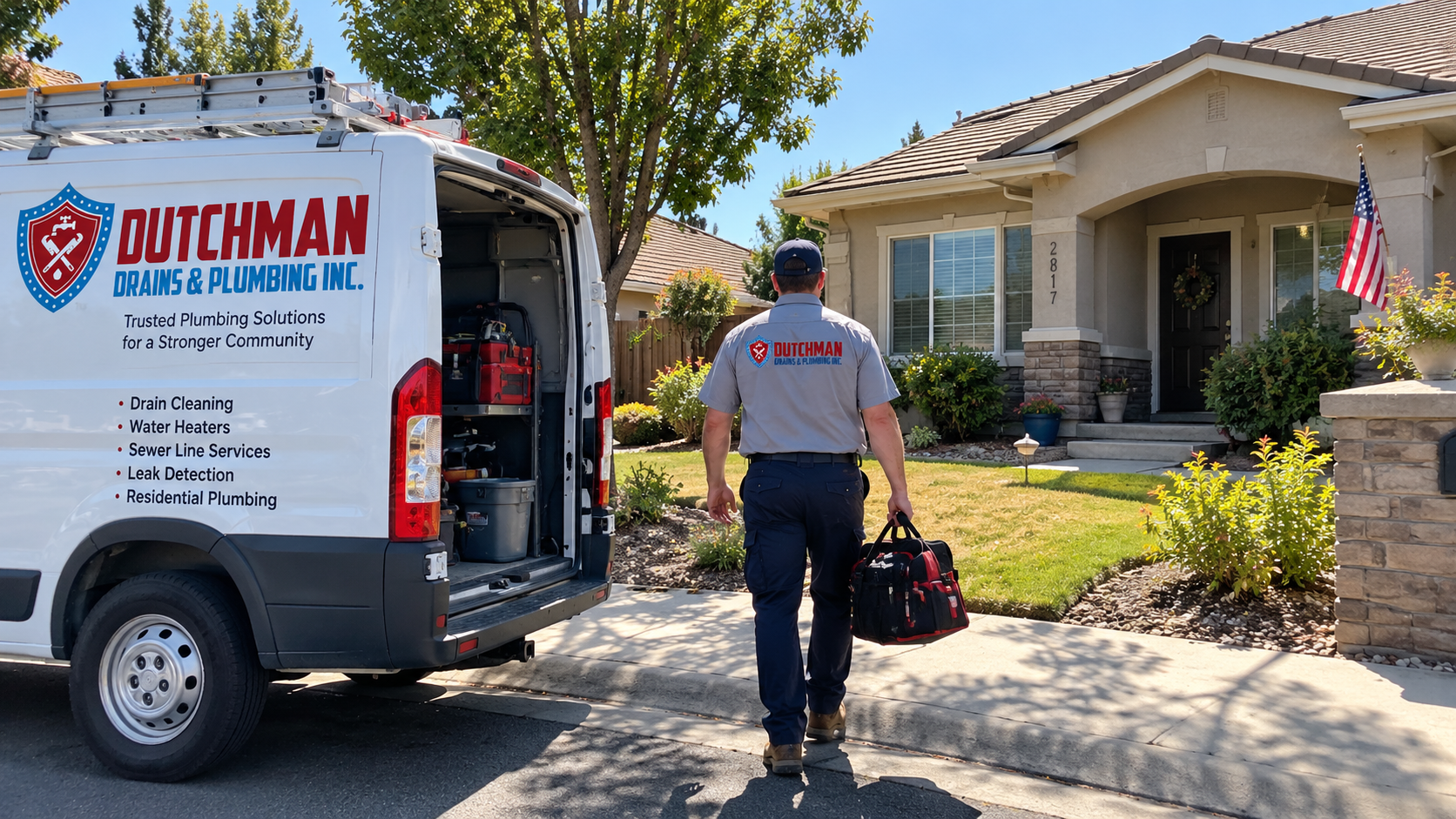

Ceres homeowners deal with plumbing challenges that don't always get talked about openly, but the problems show up in the repair calls we take every week. From corroded pipes in older neighborhoods to hard water destroying water heaters ahead of schedule, the Central Valley's soil and water supply create conditions that are genuinely hard on residential plumbing. Dutchman Drains and Plumbing serves Ceres, CA from our Ceres satellite location on Rockefeller Drive, and we've seen the same issues come up again and again. This guide breaks down what to watch for, why these problems happen here specifically, and what you can do about them.
Why Ceres Plumbing Wears Out Faster Than You'd Expect
Most homeowners assume their plumbing is fine until something breaks. That's understandable. But the truth is, Ceres properties face a set of compounding factors that accelerate wear on pipes, fixtures, and water heaters over time.
Hard water is the biggest contributor. The Central Valley's water supply is high in calcium and magnesium. As water moves through your pipes, it leaves behind mineral deposits that build up slowly on the interior walls of the pipe. Over years, that buildup narrows the flow, increases pressure on fittings, and contributes to joint failures. You might notice lower water pressure or white crust around faucet heads before a more serious problem shows up.
Older Ceres homes have aging infrastructure. Many established neighborhoods in Ceres were built with galvanized steel pipes that have been in the ground for 40 to 60 years. Galvanized steel corrodes from the inside out, which means the pipe can look perfectly normal on the outside while it is already deteriorating where it counts. Once corrosion progresses far enough, pinhole leaks develop, water pressure drops, and eventually sections of pipe fail.
Soil conditions in Stanislaus County also play a role. The clay-heavy soils in and around Ceres expand when wet and contract during dry periods. That seasonal movement puts stress on buried water and sewer lines at connection points and joints, which is one of the more common causes of slow underground leaks that homeowners don't notice until the water bill spikes.
The Most Common Plumbing Problems We Diagnose in Ceres
Slow or Clogged Drains
Slow drains are the most frequent call we get from Ceres homeowners, and most people have lived with one for longer than they should. A drain that takes a few extra seconds to clear might not feel like an emergency. However, a slow drain is usually a sign that something is accumulating inside the line: grease buildup, soap scum, hair, or in older homes, root intrusion into the sewer line.
Kitchen drains are particularly vulnerable in households that cook frequently. Cooking oils and grease cool and solidify inside the pipe, especially during winter months. Over time, the buildup catches other debris and reduces flow steadily until the drain stops altogether.
Professional drain cleaning removes the blockage completely rather than just punching a temporary hole through it. For recurring clogs, hydro jetting is the more effective solution: a high-pressure water line scours the interior of the pipe clean and removes buildup that snaking leaves behind.
Water Heater Problems
Water heaters in Ceres tend to fail earlier than their rated lifespan because of the area's hard water. Mineral scale accumulates on the heating element and at the bottom of the tank, which forces the unit to work harder to heat the same volume of water. That extra strain shortens the lifespan and increases energy costs before the unit finally fails.
Signs your water heater is struggling include inconsistent water temperature, a rumbling or popping sound during the heating cycle (that's sediment moving around inside the tank), discolored water, or water that doesn't get as hot as it used to. A full flush of the tank can extend the life of a water heater that's still in reasonable shape. For units that are 10 or more years old, replacement is often the more cost-effective path.
Tankless water heaters are a popular upgrade for Ceres homeowners who want to eliminate the tank entirely. They heat water on demand, don't store standing water that accumulates scale, and last significantly longer than traditional tank units. Because Ceres water is hard, tankless units here do require periodic descaling to maintain efficiency.
Sewer Line Issues
Sewer line problems are one of the more expensive repairs a homeowner can face, and they're unfortunately common in Ceres properties with mature landscaping. Tree roots follow moisture and actively grow toward sewer lines. Once a root finds a joint or a small crack, it enters the pipe and continues to grow inside, eventually blocking flow and cracking the line from the inside out.
The signs of a compromised sewer line include: multiple drains backing up at the same time, gurgling sounds coming from the toilet when you run a sink or shower, sewage odors in the yard or basement, and slow drains throughout the house rather than in just one fixture.
A video line inspection is the most reliable way to assess sewer line condition. We run a camera through the line and can see exactly what's happening inside, whether that's root intrusion, a crack, an offset joint, or a section of pipe that has collapsed. That information determines whether the right repair is a spot fix, a hydro jet cleanout, or a full sewer line replacement.
Water Leaks You Can't See
Hidden water leaks are more common in Ceres than most homeowners realize. A slow leak behind a wall, under a slab, or in a crawl space can run for months before it causes visible damage. By the time you notice a stain on the ceiling or a soft spot in the floor, the water has usually been there long enough to create a mold risk.
An unexplained increase in your monthly water bill is often the first sign. If your usage hasn't changed but your bill has jumped, it's worth getting a leak detection inspection before the problem gets worse.
Professional water leak detection uses acoustic equipment and pressure testing to locate a leak without tearing open walls or digging up your yard. Once we find it, we can assess the repair and give you a clear picture of what it involves before any work begins.
When to Call a Licensed Ceres Plumber
Call immediately for:
- No hot water
- Water backing up into multiple fixtures at once
- Visible water damage on ceilings or walls
- Sewage odors in the home or yard
- A water bill that has spiked without explanation
- Any suspected gas line issue
Schedule soon for:
- A drain that's been slow for more than a week
- Low water pressure that wasn't there before
- Water that takes longer than usual to heat
- A running toilet that won't stop
- Discolored water from the tap
Plan ahead for:
- A water heater that's 10 or more years old
- Older galvanized pipes in a home built before 1980
- Septic systems that haven't been inspected in three or more years
- Recurring clogs in the same drain
DIY repairs on drain clogs and minor fixture issues are reasonable up to a point. However, anything involving the main water line, sewer line, water heater, or a suspected hidden leak should go to a licensed plumber. The cost of a professional repair is almost always less than the cost of fixing the damage from a DIY repair that went wrong.
What to Look for in a Ceres Plumbing Company
Ceres is a tight-knit community, and a plumber's reputation travels fast. Before you hire anyone, ask a few basic questions.
Are they licensed and insured in California? A licensed contractor carries the appropriate state license for plumbing work and carries liability insurance that protects your property if something goes wrong. This isn't optional information; it should be verifiable on the Contractors State License Board website.
Do they have local reviews? A plumbing company that has served Ceres and Stanislaus County for years will have a track record you can check. Google reviews from local customers are worth reading, not just for the star rating but for what people say about communication, pricing transparency, and how the crew treated the property.
Are they upfront about pricing? Reputable plumbers provide written estimates before work begins. If a company can't give you a price until after they've opened the wall or dug the yard, that's a red flag.
Dutchman Drains and Plumbing has been serving Ceres, Merced, and Stanislaus County for over 20 years. We're veteran-owned, family-operated, and we carry our 5-star reputation into every job. Our Ceres satellite location on Rockefeller Drive means we're close to the community we serve, with fast response times for both routine service and 24/7 plumbing emergencies.
FAQ
How hard is the water in Ceres, CA?
Ceres draws water from sources throughout Stanislaus County, and the area's water supply is considered moderately hard to hard. Hardness levels typically measure in the range that causes visible scale on fixtures and inside water heaters over time. A water softener or filtration system can significantly reduce the impact on your pipes and appliances.
Can tree roots really damage my sewer line in Ceres?
Yes, and it's one of the more common sewer issues we see in Ceres properties with established trees. Roots are drawn to the moisture around sewer lines and can enter through small cracks or loose joints, then grow inside the pipe until they cause a blockage or crack the line further. A video inspection will tell you whether roots are present and how serious the intrusion is.
How do I know if I have a slab leak?
Common signs include warm spots on your floor, the sound of running water when everything is turned off, an unexplained spike in your water bill, and cracks in your flooring or foundation. Slab leaks require professional leak detection equipment to locate accurately without unnecessary demolition. The sooner you get it diagnosed, the less secondary damage results.
What's the average lifespan of a water heater in Ceres?
In the Central Valley, where hard water accelerates scale buildup, tank water heaters often last 8 to 12 years rather than the 12 to 15 years listed in the manufacturer specs. Regular maintenance, including annual flushing, extends that range. Tankless water heaters last significantly longer, often 20 or more years, but also require periodic descaling in hard water areas.
Does Dutchman Drains offer emergency plumbing service in Ceres?
Yes. We offer 24/7 emergency plumbing service throughout Ceres and the surrounding Stanislaus County area. Call (209) 683-3881 any time for urgent issues including burst pipes, sewage backups, no hot water, and water leak emergencies.
Ready to Address Your Ceres Plumbing Issue?
Whether you've got a slow drain that's been bothering you for months or a water heater that's finally given out, Dutchman Drains and Plumbing is ready to help. We serve Ceres from our local satellite location on Rockefeller Drive, with the same veteran-owned commitment to quality and honest pricing that's earned us five-star reviews across Merced and Stanislaus County. Call (209) 683-3881 or contact us online to schedule service or request a free quote today.

Read our latest blog & articles


.webp)


