Septic System Maintenance Guide for Rural Merced and Atwater Properties
Rural Merced & Atwater septic systems need real care. Here's the maintenance guide that keeps them running
Summarize with AI
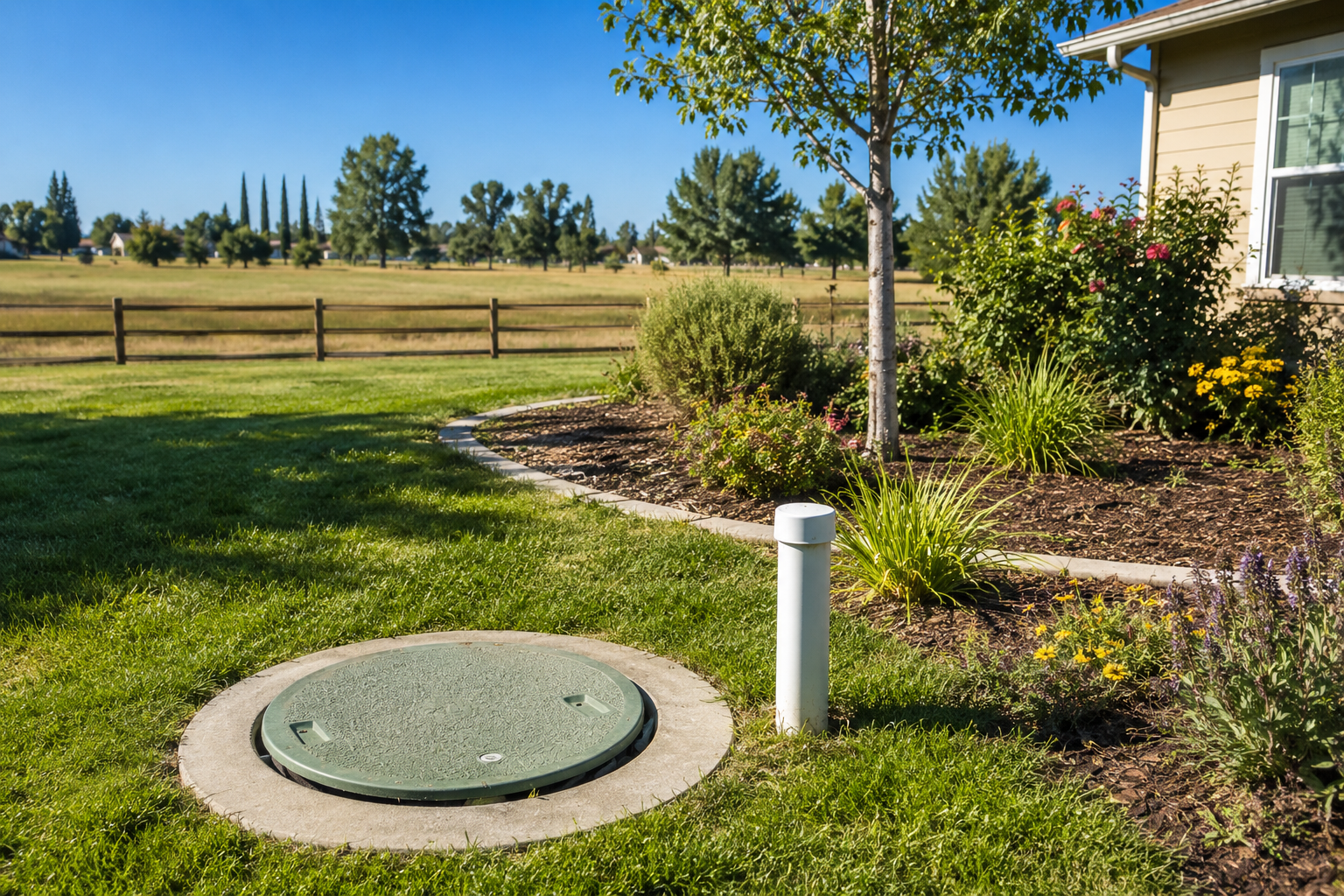

If you own a rural property in Merced or Atwater, your septic system is doing a job that city sewer lines never have to think about. Septic system maintenance out here isn't optional. It's the difference between a quiet backyard tank that lasts thirty years and a five-figure repair bill that shows up on the worst possible weekend. At Dutchman Drains and Plumbing, we've pumped, inspected, and repaired septic systems all over Merced County, and the properties that avoid disaster almost always share the same habits.
This guide walks through what actually keeps a rural septic system healthy, what wrecks one, and when to call a professional instead of guessing.
Why Rural Merced and Atwater Properties Need a Different Approach
Homes on city sewer never worry about tank capacity or drain field saturation. Rural properties around Merced and Atwater don't have that luxury. Your septic system is a self-contained treatment plant sitting under your yard, and it depends entirely on soil conditions, tank size, and household habits to keep functioning.
Merced County's clay-heavy soil in many rural pockets drains slower than sandy soil does. That means drain fields here can saturate faster than systems in other parts of California, especially during a wet winter followed by a dry summer. Add in well water (common on rural lots) and the mineral content can affect how quickly sludge builds up in the tank.
None of this means rural septic ownership is a headache. It just means the maintenance schedule matters more here than it does almost anywhere else.
Pumping Schedule: The Foundation of Everything
Every septic conversation starts here because it's the single biggest factor in system lifespan.
- Average household (3 to 4 people): pump every 3 to 5 years
- Larger households or heavy water use: every 2 to 3 years
- Properties with a garbage disposal: lean toward the shorter end of that range
We get calls every year from homeowners who haven't pumped in eight or nine years because "nothing seemed wrong." Nothing seems wrong right up until the drain field fails, and once solids escape the tank and clog the field, you're not looking at a pump-out anymore. You're looking at a full field replacement, which on a rural Merced lot can run well into five figures depending on soil conditions and permitting.
What Happens If You Skip Pumping
Solids that aren't removed settle and compact at the bottom of the tank. As sludge builds up, less usable tank volume remains for wastewater to separate properly before it flows to the drain field. Eventually, solids wash out with the effluent and coat the drain field's soil, and that soil layer doesn't come back. A clogged drain field is often permanent damage, not a repair.
What You Flush and Drain Matters More Than You Think
Septic systems rely on bacteria to break down waste. Anything that disrupts that bacterial balance or physically doesn't break down creates problems downstream.
Never flush or drain:
- Wet wipes, even ones labeled "flushable"
- Grease, oil, or cooking fat
- Coffee grounds
- Paint, solvents, or chemical cleaners
- Cat litter
- Feminine hygiene products
- Excessive amounts of bleach or antibacterial cleaners
We've pulled entire wads of wet wipes out of tanks that had otherwise been well maintained. They don't break down the way toilet paper does, and they're one of the most common causes of blockages we see on service calls throughout Merced and Atwater.
As a result, it's worth having a conversation with everyone in the household, because one person's habits can undo years of careful maintenance.
Protecting Your Drain Field
The drain field is the part of the system most homeowners forget exists, mostly because it's underground and out of sight. However, it's also the most expensive part to replace.
Keep your drain field healthy by:
- Never parking vehicles or heavy equipment on top of it
- Avoiding trees or deep-rooted shrubs nearby (roots seek out drain lines)
- Directing roof gutters and sump pump discharge away from the field
- Spreading laundry loads throughout the week instead of running five loads on a Saturday
That last point surprises people, but it's real. Dumping large volumes of water into the system in a short window can overwhelm the drain field's absorption rate, particularly if your soil already drains slowly.
Water Conservation Extends System Life
Every gallon that goes down a drain eventually has to be processed by your tank and absorbed by your field. Households that conserve water consistently get more years out of the same system than households that don't, even with identical tank sizes.
Simple habits that add up:
- Fix leaky faucets and running toilets promptly
- Install low-flow fixtures where practical
- Spread out high-water-use tasks like laundry and dishwashing
- Avoid unnecessary long showers during peak usage times
Warning Signs You Shouldn't Ignore
Rural properties around Merced and Atwater tend to have more acreage, which means slow drains or a soggy patch in the yard can be easy to write off as "probably nothing." It's rarely nothing.
Call for an inspection if you notice:
- Slow drains throughout the house, not just one fixture
- Gurgling sounds in pipes
- Sewage odor near the tank or drain field
- Standing water or unusually green, lush grass over the drain field
- Sewage backing up into tubs or toilets
Any one of these on its own might be minor. Two or more happening around the same time usually means the system needs attention now, not next month.
Building a Realistic Maintenance Schedule
A simple year-by-year approach works well for most rural Merced and Atwater properties:
- Every year: Visual check of the drain field area for pooling water or odor
- Every 1 to 2 years: Professional inspection of tank levels and system components
- Every 2 to 5 years: Full pump-out, timed based on household size and usage
- As needed: Additive treatments are not a substitute for pumping, no matter what the bottle claims
We'd rather see a homeowner over here on inspections than under. A $300 inspection is a fraction of the cost of a failed drain field, and it gives you a clear picture of exactly where your system stands.
Frequently Asked Questions
How often should a septic tank be pumped in Merced County?
Most households need pumping every 3 to 5 years, though homes with heavier water use, garbage disposals, or larger families often need it closer to every 2 to 3 years. Soil type and tank size also affect the right interval for your specific property.
Can I use septic-safe additives instead of pumping?
No. Additives can support bacterial balance in the tank, but they cannot remove the physical sludge and scum layers that build up over time. Regular pumping is the only way to remove solids before they reach the drain field.
How do I know where my septic tank and drain field are located?
Older rural properties sometimes don't have clear records. Dutchman Drains and Plumbing can locate your tank and drain field using a combination of property records and on-site inspection, then map it for future reference.
Is it normal for grass to grow greener over the drain field?
A little extra green over the drain field is common because of nutrient-rich effluent. However, unusually lush, soggy, or spongy grass often signals the field is struggling to absorb wastewater properly and should be checked.
What causes a septic system to fail early?
The most common causes are infrequent pumping, flushing non-degradable items like wet wipes, excessive water use in short bursts, and heavy vehicles or trees damaging the drain field. Most early failures are preventable with routine maintenance.
Can well water affect my septic system?
Well water itself doesn't harm a septic system, but rural properties on well water sometimes have different water softening or mineral content that can affect sludge buildup rates. It's worth mentioning your water source during an inspection.
If your septic system hasn't been inspected in the last year, or you can't remember your last pump-out, don't wait for a warning sign to show up in your yard. Contact Dutchman Drains and Plumbing to schedule a septic inspection or pumping for your Merced or Atwater property, and get a clear picture of exactly where your system stands.

Read our latest blog & articles



.webp)


