How to Prevent Sewer Backups in Merced: A Homeowner's Guide to Drain, Wastewater, and Sewage Cleanup
Learn how to prevent sewer backups in your Merced home. Get tips on drain care, backwater valves...
Summarize with AI
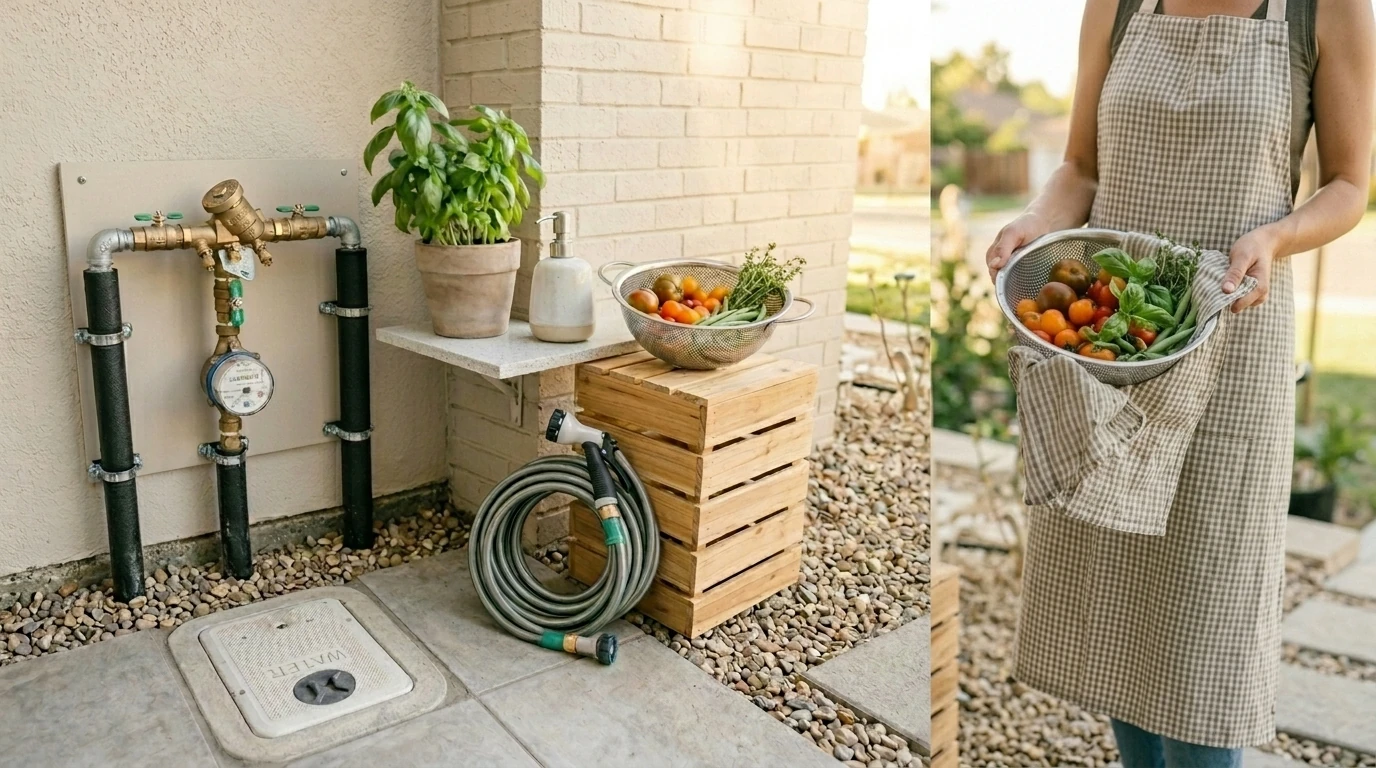

No one wants raw sewage in their home. But sewer backups happen more often than most people think, and Merced homeowners are not immune.
When a home sewer line gets blocked, wastewater has nowhere to go but back up into homes. That means dirty water and sewage can flood through your floor drain, toilet, or tub. The result? A nasty mess, serious health hazards, and costly damage.
The good news is that most sewer backups can be stopped before they start. This guide will show you how to prevent sewer backups in your Merced home, what causes them in the first place, and what to do if one does happen.
What Causes Sewer Backups in Merced Homes?
Before you can prevent sewer backups, it helps to know why they happen. Here are the most common causes of sewer and drain backups in the Merced area:
Tree Root Intrusion
Tree roots grow toward moisture. Your sewer pipes carry a steady flow of wastewater, which makes them a prime target. Over time, roots grow into cracks and pipe joints, creating a blockage that gets worse with each passing month. Root intrusion is one of the top causes of main line backups in older Merced homes.
Grease and Buildup
When you pour grease down the drain, it cools and sticks to the inside of your sewer pipes. Over time, grease buildup narrows the pipe and traps food, soap, and debris. This leads to a clog that can block your entire drain line.
Aging Sewer Pipes
Many homes in Merced were built decades ago. Older sewer line pipes made of clay or cast iron can crack, sag, or deteriorate over time. When the pipe walls break down, dirt and debris get in, and the line can collapse.
Municipal Sewer System Overload
During heavy rain, the municipal sewer system can get overwhelmed. When the sewer main fills up, wastewater can back up into homes connected to the collection system. Storm water that enters the sanitary sewer through cracked pipes or cross-connected storm drains makes this worse.
Flushing the Wrong Things
Toilets are only built for human waste and toilet paper. Flushing wipes, paper towels, cotton balls, or other items is one of the fastest ways to cause a blockage in your home sewer line.
Warning Signs a Sewer Backup Is Coming
A sewer backup rarely happens without warning. If you pay attention, your home will give you clues. Here is what to watch for:
- Slow drains in more than one fixture. If your sink, tub, and toilet all drain slowly, the problem is likely in your main sewer line, not a single fixture.
- Gurgling sounds. A gurgle from your toilet or drain when you run water is a sign that air is trapped in the sewer line due to a blockage.
- Water backs up in odd places. If water comes up in your floor drain or tub when you flush the toilet or run the washing machine, your sewer line is not draining right.
- Bad smells near drains. A sewage odor near any drain in your home means wastewater is sitting in the pipe instead of flowing out.
- Standing water near your cleanout. If you see standing water near your outdoor sewer cleanout, the main line may be blocked.
Act fast. If you notice more than one of these signs, do not wait. Call a licensed plumber before the backup gets worse and flooding is imminent.
8 Ways Merced Homeowners Can Prevent Sewer Backups
Here are the best steps you can take to protect your home from a sewer backup. Most of these are simple, low-cost, and can save you thousands in cleanup and repair.
1. Never Pour Grease Down the Drain
This is the number one rule. Cooking oil, bacon grease, and fatty liquids should never go down your kitchen drain. Instead, let grease cool in a can or jar, then toss it in the trash. Even small amounts of grease poured down drains add up over time and cause stubborn clogs.
2. Watch What You Flush
Only flush human waste and toilet paper. Everything else goes in the trash. That includes:
- "Flushable" wipes (they do not break down like toilet paper)
- Paper towels and napkins
- Cotton balls and swabs
- Feminine products
- Dental floss
These items do not dissolve. They bunch up in your sewer pipes and cause line blockages that lead to backups.
3. Install a Backwater Valve
A backwater prevention valve is one of the best ways to protect your home from a sewage backup. This valve sits on your main sewer line and lets wastewater flow out but blocks it from flowing back in. If the city sewer main fills up during heavy rain, the backwater valve keeps sewage from backing up through your floor drain or toilet.
Ask your plumber about having one installed. It is a one-time fix that gives you peace of mind for years.
4. Get Your Sewer Line Checked
A camera check of your main sewer line can show you exactly what is going on inside your pipes. A plumber feeds a tiny camera through the line to look for tree roots, cracks, buildup, or sagging spots.
If you have an older Merced home, schedule a check every one to two years. Catching a small issue early is much cheaper than dealing with a full sewage backup.
5. Keep Tree Roots in Check
If you have large trees near your sewer line, their roots may already be working their way inside. Here is how to cut the risk:
- Know where your sewer line runs from your home to the street.
- Do not plant trees with big root systems near the line.
- Ask your plumber about preventive root treatments.
- If roots are already inside, hydro jetting can clear them out before they cause a full blockage.
6. Clean Your Drains on a Regular Basis
Preventive maintenance goes a long way. Having a plumber clean your drains every year or two helps prevent clogs from building up in your sewer system. This is a quick, low-cost service that can save you from a costly sewer backup down the road.
7. Know Where Your Main Sewer Cleanout Is
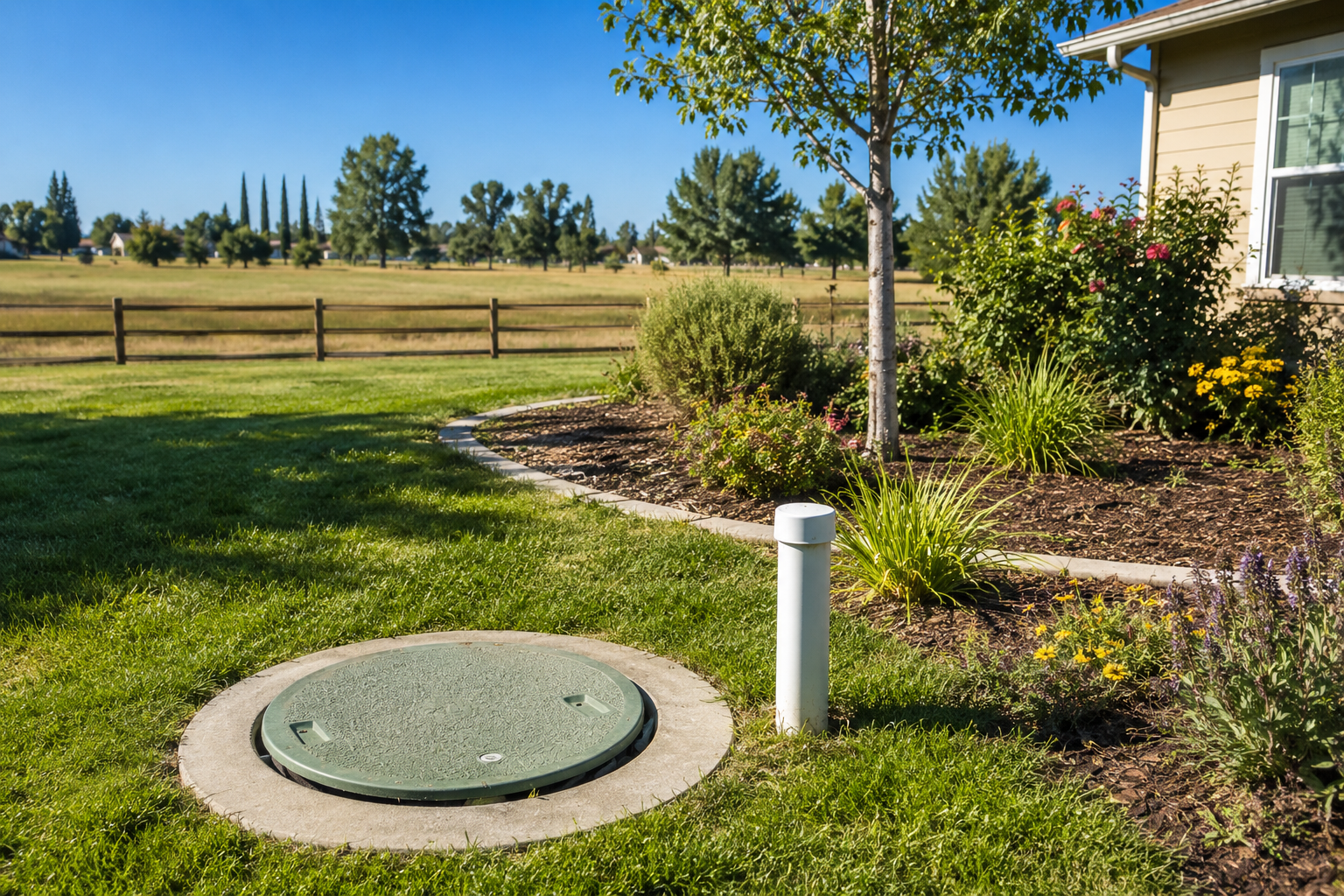
Every home has a sewer cleanout, usually a capped pipe near the foundation or in the yard. In a backup, a plumber can access the main sewer line through this point to clear the blockage fast. Knowing where it is saves time when every minute counts.
8. Consider a Sump Pump for Low Areas
If your home has a basement floor that floods or a low spot that takes on water during storms, a sump pump can help move water out before it backs up into your drains. A sump pump paired with a backflow valve gives you two layers of defense against flooding and water damage.
Keep in mind that storm sewers and sanitary sewers are separate systems. But when storm water enters a sanitary sewer through a damaged inlet or cross-connection, it can overload the system and push wastewater back into your home.
What to Do If a Sewer Backup Happens
Even with the best care, a sewer backup can still happen. If it does, here is what to do:
Step 1: Stop using water. Do not flush the toilet, run sinks, or use the washing machine. Any water you send down the drain will add to the backup.
Step 2: Stay away from the sewage. Raw sewage carries bacteria and poses serious health hazards. Keep kids and pets away from the affected area. Do not touch the water without gloves and boots.
Step 3: Call a licensed plumber. Call Dutchman Drains & Plumbing at (209) 683-3881 right away. They offer 24/7 emergency service and can clear the blockage and get your water flow back to normal.
Step 4: Document the damage. Take photos of everything, the water and sewage, damaged items, and the affected area. You will need these if you contact your insurance company.
Step 5: Start cleanup carefully. Once the backup is cleared, the cleanup begins. Sewage cleanup means removing standing water, sanitizing the affected area, and drying everything out to prevent mold growth. For serious flooding, you may need water damage restoration or a cleanup service like ServPro.
Insurance tip: Contact your insurance agent as soon as you can. Many standard policies do not cover sewer backups unless you have a water and sewer add-on. Knowing your coverage ahead of time can save you a big headache.
The Health Risks of Sewage Backups
A sewage backup is not just a drain problem. It is a health crisis. Raw sewage has bacteria, viruses, and parasites that can make you sick.
Here are some of the serious health hazards tied to a sewage backup:
- Bacterial infections from contact with dirty water
- Mold growth in walls, floors, and cabinets if moisture is not removed fast
- Breathing issues from sewage fumes
- Skin irritation from contact with sewage or dirty surfaces
That is why fast cleanup is so important. The longer sewage sits in your home, the greater the risk. Always wear gloves and boots during cleanup. Sanitize any surface that came in contact with sewage, and call in pros for anything beyond a minor spill.
How Dutchman Drains Helps Merced Homeowners Prevent and Fix Sewer Backups
Dutchman Drains & Plumbing has been helping homes and businesses across Merced prevent and fix sewer problems for over 20 years. Whether you need preventive maintenance, a sewer line check, or emergency backup repair, they have the tools and know-how to protect your home.
Here is what they offer:
Dutchman Drains is veteran owned and family run, with a team that treats your home like their own. They serve Merced, Atwater, Livingston, Chowchilla, Turlock, Modesto, and the rest of the Central Valley.
Common Questions About Preventing Sewer Backups
Q: How do I prevent sewage backups in my Merced home? A: The best steps are to avoid pouring grease down the drain, only flush toilet paper, get your sewer line checked every year or two, and install a backwater valve. These simple moves can stop most backups before they start.
Q: What is a backwater valve? A: A backwater prevention valve sits on your main sewer line. It lets water and waste flow out to the city sewer but stops anything from flowing back in. It is one of the best ways to protect your home from a sewage backup during heavy rain or a sewer main overload.
Q: How do I know if my sewer line is backed up? A: Look for slow drains in more than one spot, gurgling sounds, water backing up when you flush, or sewage smells near drains. A single fixture draining slowly is often a local clog, but issues in more than one spot point to the main sewer line.
Q: Can tree roots really cause a sewer backup? A: Yes. Tree roots are one of the leading causes of sewer line blockage in Merced. Roots grow toward moisture and can enter your sewer pipes through small cracks and pipe joints. Once inside, they expand and block the water flow.
Q: How much does sewer backup cleanup cost? A: It depends on how bad the damage is. Minor backups may cost a few hundred dollars to clean. Major flooding with structural damage, mold growth, and water damage restoration can run into the thousands. That is why prevention is always the smarter path.
Q: Does Dutchman Drains offer rooter service like Roto Rooter? A: Yes. Dutchman Drains gives you the same type of rooter and drain cleaning service you would get from a big name, but with local, hands-on care. They use hydro jetting, camera checks, and sewer line repair to fix the root cause of your backup.
Protect Your Home from Sewer Backups Today
A sewer backup can cause flooding and water damage, health risks, and thousands in repair bills. But with the right preventive steps and a good plumber on your side, you can dodge the worst.
If you are a Merced homeowner looking to protect your home, Dutchman Drains & Plumbing is here to help. From drain cleaning and sewer checks to backwater valve installs and emergency service, they have the full lineup to keep your home sewer system running clean.
Do not wait for a backup to take action. Call now and get ahead of the problem.
Call Dutchman Drains & Plumbing at (209) 683-3881 or schedule service online.
Dutchman Drains & Plumbing, Inc. 4467 N. Gurr Rd, Atwater, CA 95301 Serving Merced, Merced County, and the Central Valley Licensed Contractor | Veteran Owned | Family Run
The Right Plumber Makes a Difference!

Read our latest blog & articles


.webp)


